plastic injection mold: the complete guide to the manufacturing process
Plastic Injection Mold: The Complete Guide to the Manufacturing Process In the world of mass production, few technologies are as transformative as the
plastic injection mold. From the tiny connector in your smartphone to the complex dashboard of an electric vehicle, injection molding is the backbone of modern industry.
But what exactly goes into making a high-quality mold? As a leading
plastic injection mold manufacturer, we break down the entire process—from design to final production.
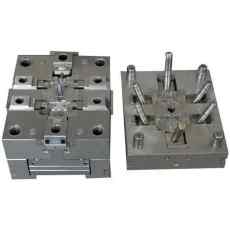 1. What is a Plastic Injection Mold?
 A
plastic injection mold is a custom-made tool created from steel or aluminum. It consists of two halves (the cavity and the core). Molten plastic is injected into the mold under high pressure, cooled, and then ejected as a solid part.
It is the most cost-effective method for producing high volumes of identical plastic parts with tight tolerances.
2. The Key Stages of the Injection Molding Process Stage 1: Mold Design & Engineering Before any metal is cut, the digital design must be perfect. This stage involves:
- DFM Analysis (Design for Manufacturability): Engineers analyze wall thickness, draft angles, and potential sink marks to ensure the part can be molded efficiently.
- Gate Location: Determining where the plastic enters the mold is critical for part strength and appearance.
- Steel Selection: Depending on the production volume, we select appropriate materials (e.g., P20 for prototyping, H13 or S136 for high-volume production).
Stage 2: Tooling Fabrication This is where the magic happens. Using advanced equipment like
5-axis CNC machining centers and
EDM (Electrical Discharge Machining), we machine the steel into the exact shape required.
- Precision Machining: Accuracy must be controlled within microns (±0.005mm) to ensure parts fit together perfectly.
- Polishing & Texture: Surface finish is applied, whether it’s a mirror polish or a specific texture.
Stage 3: Injection Molding & Production Once the tool is ready, it is mounted onto an injection molding machine.
- Material Preparation: Plastic resins (ABS, PC, Nylon, PP, etc.) are dried and fed into the hopper.
- Cycle Time Optimization: We fine-tune parameters like injection speed, cooling time, and pressure to maximize efficiency.
- In-Cavity Pressure Monitoring: Advanced molds use sensors to ensure consistent quality shot after shot.
Stage 4: Quality Inspection & Assembly The process doesn't end when the part is ejected.
- CMM Inspection: Using Coordinate Measuring Machines to verify dimensions.
- Secondary Operations: This may include ultrasonic welding, pad printing, or assembly.
3. Why Partner with a Professional Mold Maker? Choosing the right partner ensures your project stays on schedule and within budget. A professional
plastic injection mold supplier provides:
- DFM Feedback before cutting steel.
- Transparent Lead Times (typically 4-6 weeks for T1 samples).
- After-Sales Support for mold maintenance and repair.
Conclusion Understanding the
plastic injection mold manufacturing process helps you make informed decisions for your next project. Whether you need a rapid prototype or a million-unit production run, the quality of your mold dictates the quality of your product.
Ready to start your project? [Contact us today for a free quote on your plastic injection mold.]